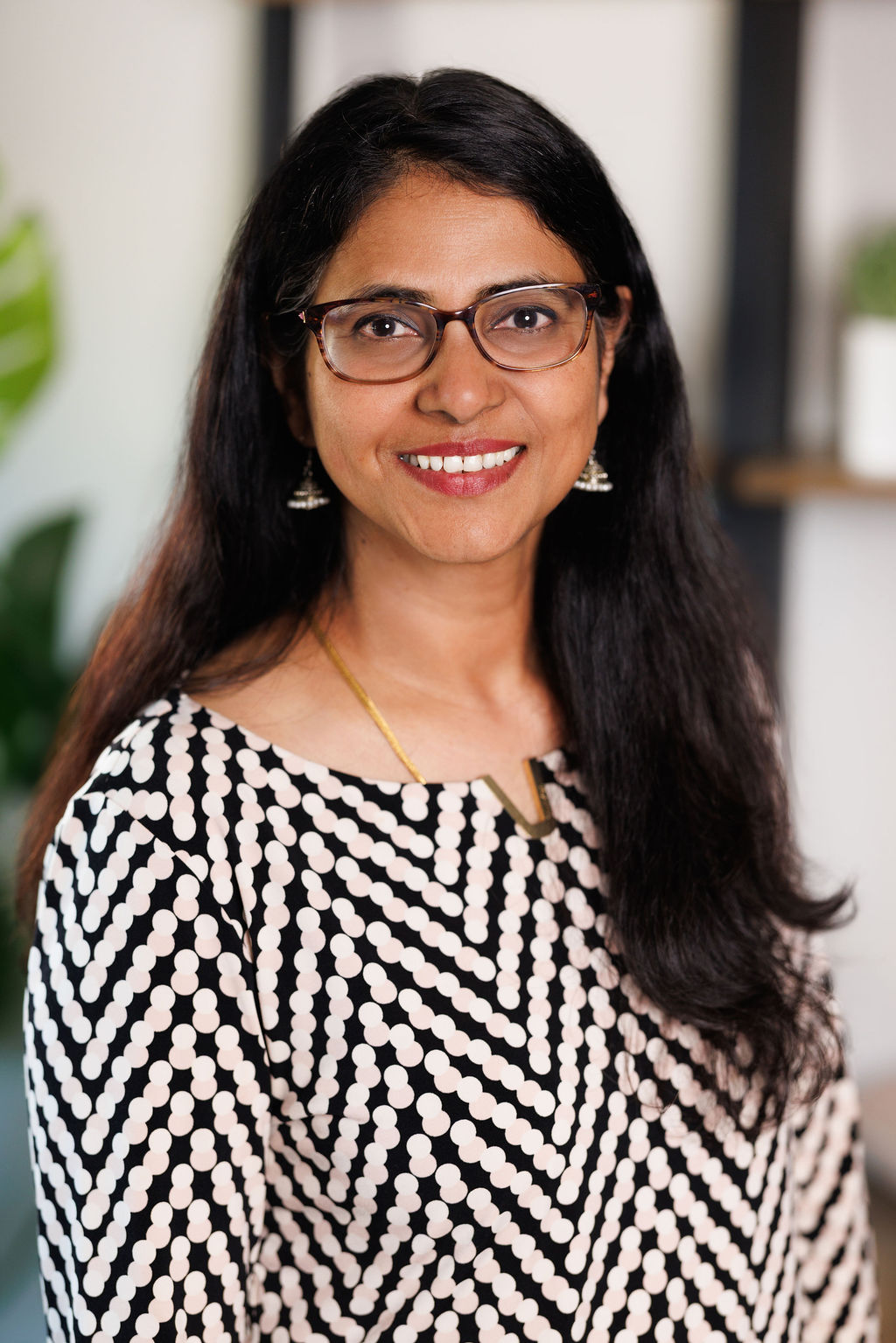
Padmapriya Parthasarathy
COO · Program Lead
25+ years at Oracle plus over a decade teaching computer science, Python, AI, and data science.
LinkedIn• SUMMER 2026 • GRADE 7 AND UP
Over two weeks, students build an original capstone project on a real public health dataset. No prior coding experience required. Guided by DIYA co-founders Padmapriya Parthasarathy and Anjana Manian.
July 13 – 24, 2026 · Grade 7 and up · Virtual · $400
Registration for this program has closed. Check back for future sessions or explore our other programs.
View all programsFounders built careers at
How it works
Ten live virtual sessions, two hours each, working with real public health datasets in Tableau. No prior coding experience required.
Week 1
Week 2
The track record
200+
Students trained in 5 years
Across DIYA's research programs and competitions since 2020.
3 Years
Princeton High School Research Program partner
DIYA has run a quarter-long Data Science unit for Princeton High School's Research Program students in 2023, 2024, and 2025.
"DIYA provided my students with an introduction to coding and data literacy. The supportive, collaborative nature of the program, particularly the Capstone Project at the end, allowed students to interact with their peers, whose varied backgrounds and coding experience made for rich conversations and productive analysis of data. It was a fantastic experience for my students, and I am looking forward to implementing it again next year."
Jennifer Smolyn
Biology & Research Teacher, Princeton High School
"The DIYA research program has been an invaluable experience. The mentors provided valuable feedback and encouraged me to think critically and explore different perspectives. Their mentorship helped me develop a structured approach to research and enhanced my analytical and problem-solving skills."
Vienna Li
DIYA Research Student
"DIYA showed me that data scientists could be changemakers, not just backseat workers. My experience convinced me of the growing importance of machine learning and AI, so I plan to pursue a minor, or even a major, in the field wherever I end up going to college."
Sandeep Sethuraman
DIYA Research Student
What students walk away with
Every student finishes the program with work they can reference on applications, in essays, and in interviews.
Students formulate a question, analyze real public health data, and draw evidence-based conclusions. The final artifact is documented capstone project to reference on college applications, in essays, and in interviews.
Hands-on fluency with Tableau and no-code data tools. Students learn to clean, visualize, and interpret real datasets, without needing to write a line of code first.
Small virtual cohort with direct feedback from Padmapriya Parthasarathy and Anjana Manian. No rotating graduate-student TAs reading from a script.
Students present their capstone project at a live final showcase and receive a certificate of completion. A documented, presentable project shaped the way admissions readers want to see student work.
The team behind DIYA
DIYA was founded by five women with 25+ years each at Princeton, UIUC, PayPal, Oracle, Cisco, Boeing, and JPMorgan Chase. The AI & Healthcare Program is led directly by Padmapriya Parthasarathy and Anjana Manian.
COO · Program Lead
25+ years at Oracle plus over a decade teaching computer science, Python, AI, and data science.
LinkedIn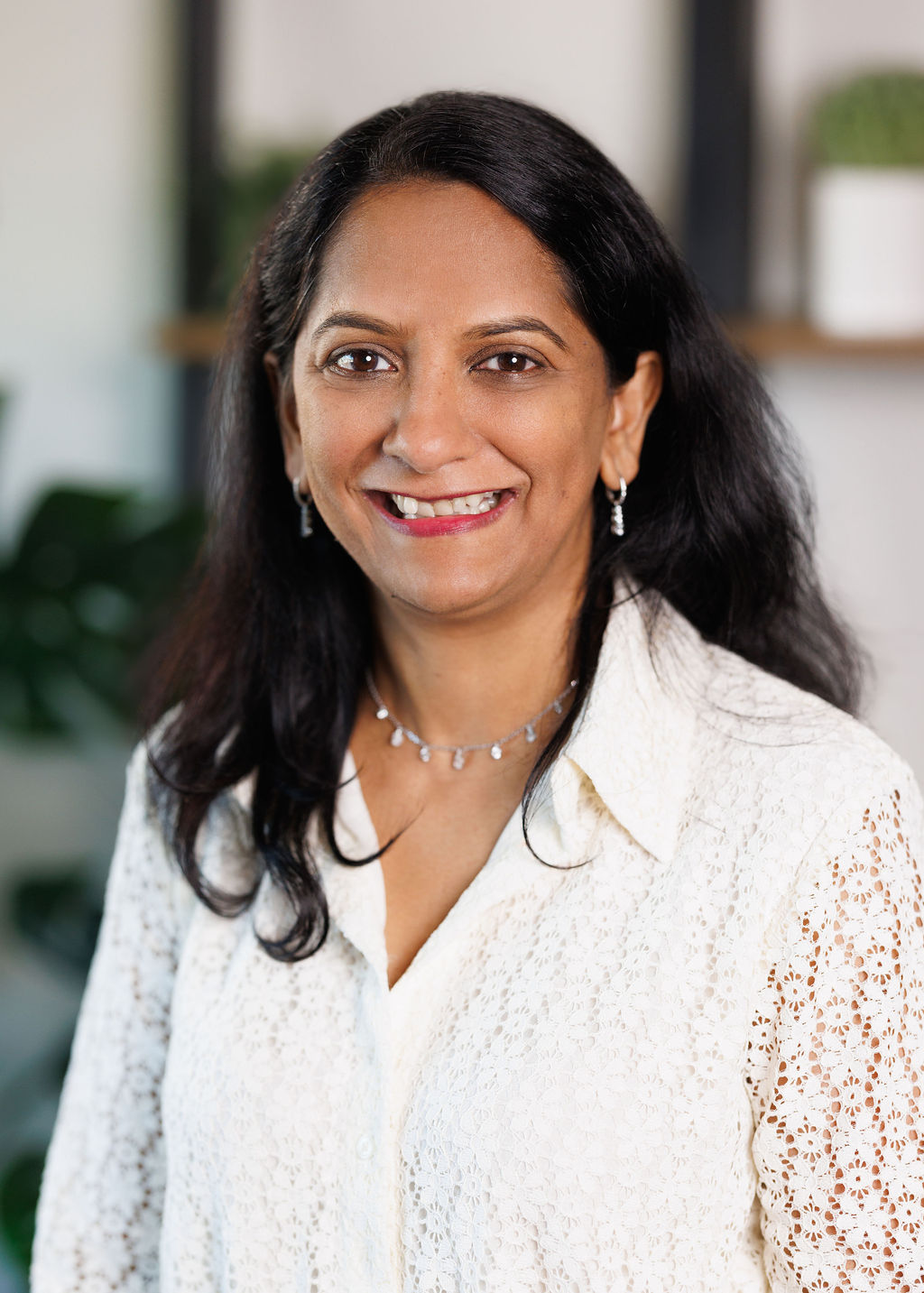
CEO · Instructor
25+ years at PayPal, Checkr, Oracle, and Cisco. Volunteers teaching high school CS with TEALS and StandUp for Kids.
LinkedIn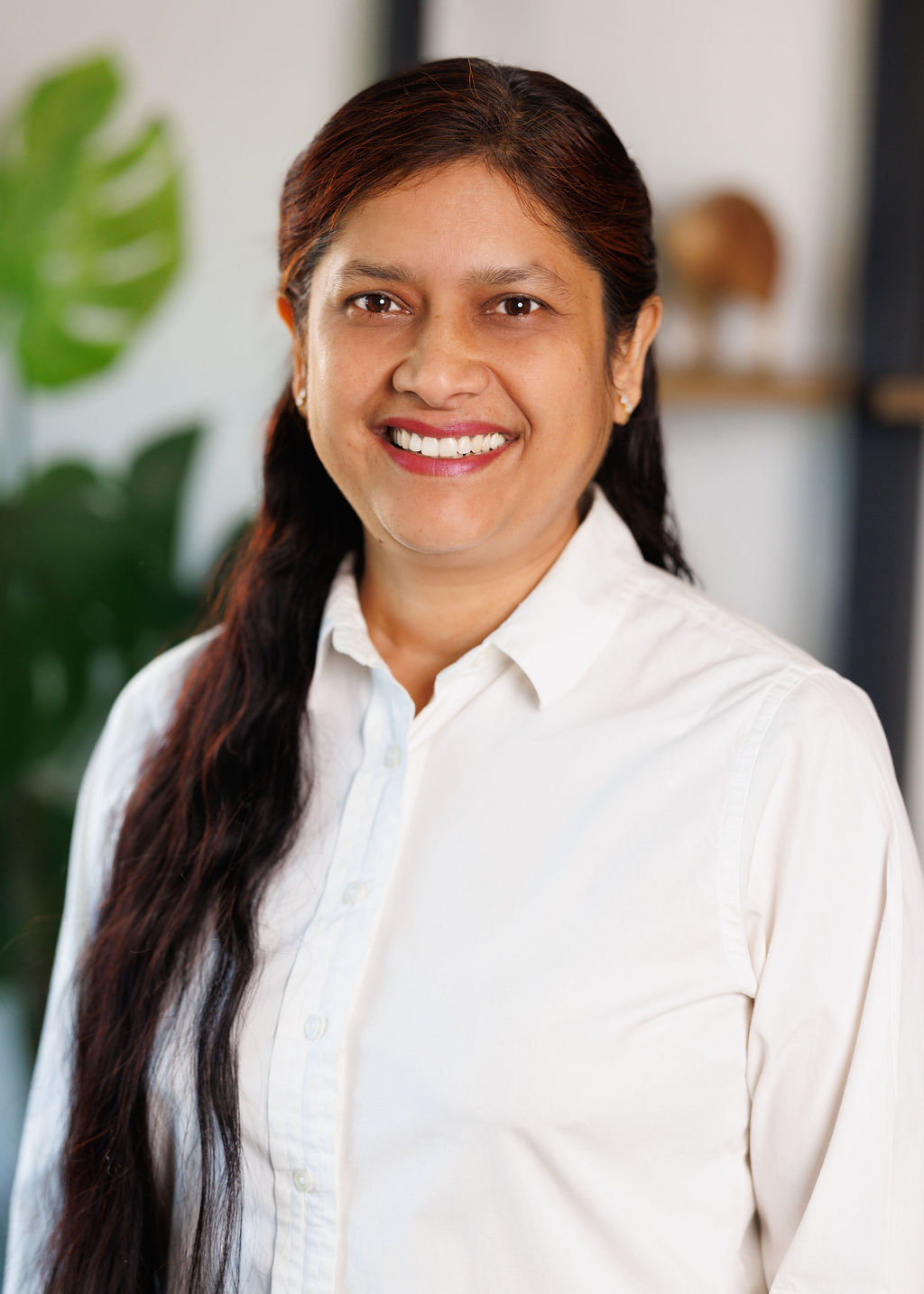
Chief Innovation Officer
Research Scholar in Computer Science at Princeton. Former Assistant Professor at UIUC. Researches AI, NLP, and human-AI interaction.
LinkedIn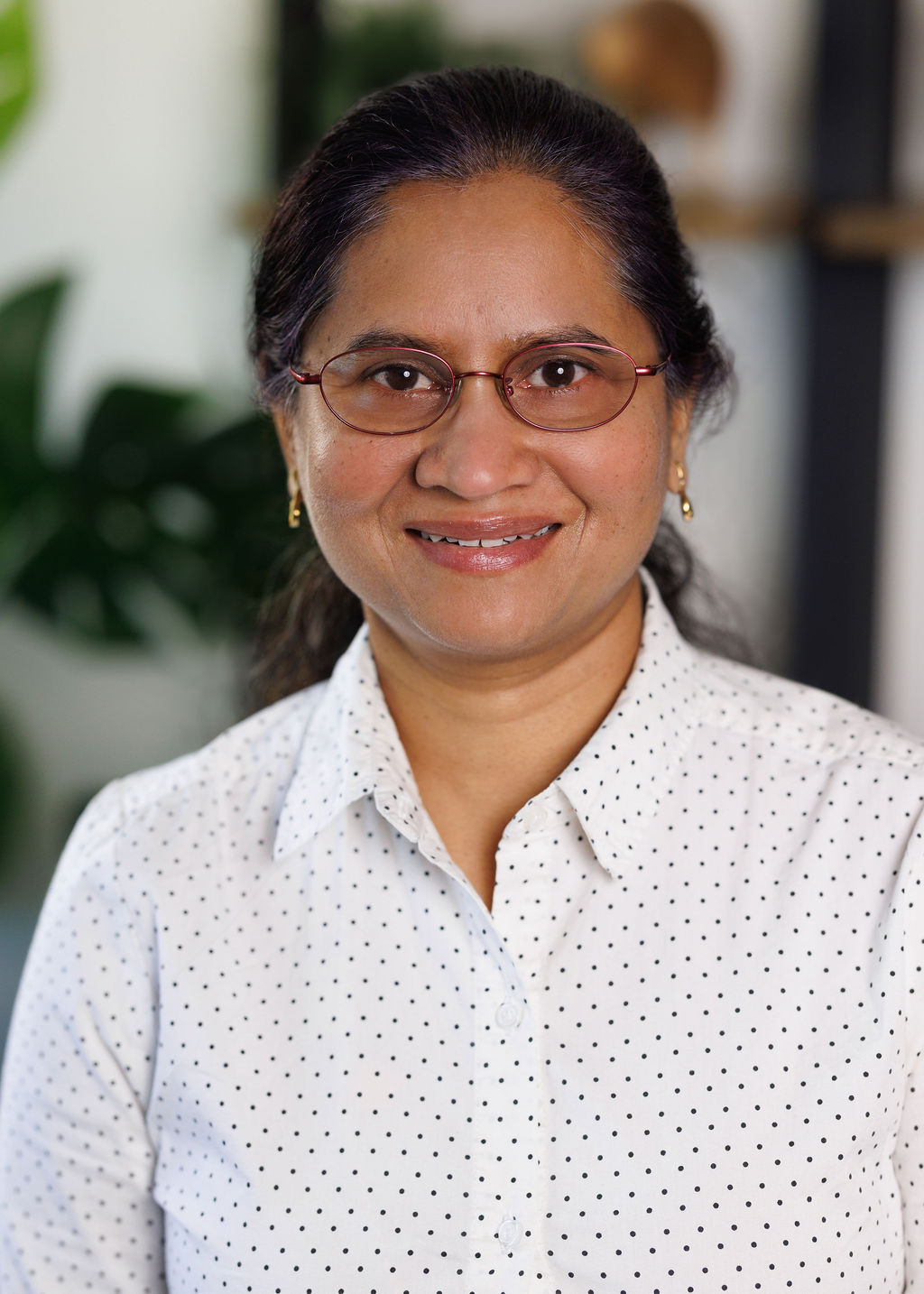
Chief Technology Officer
Data Scientist and Engineering Leader at Boeing Intelligence & Analytics. 25+ years in cloud, data architecture, and scalable systems.
LinkedIn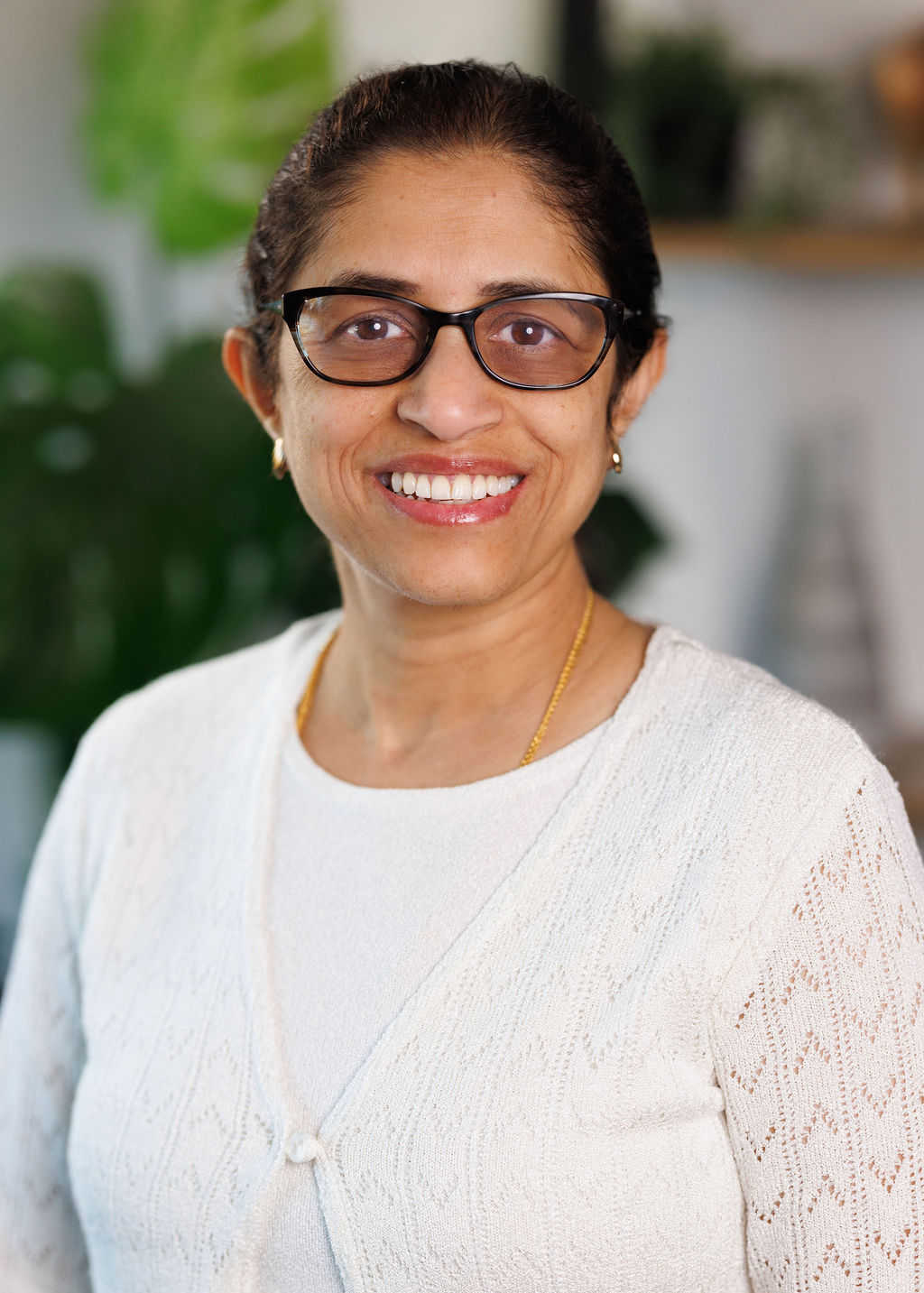
Chief Financial Officer
VP, Lead Software Engineer at JPMorgan Chase. 25+ years in software development. Leads Women in Tech at JPMC.
LinkedInThe fine print
Evaluating a summer program
01
Many summer programs are taught by college undergraduates reading from a pre-built curriculum. Programs where the founders or senior instructors teach directly produce dramatically better outcomes. Students learn more in 20 hours with an experienced operator than in 60 hours with a rotating TA.
02
A participation certificate is not a credential. Look for programs that produce a tangible artifact: an original project, presented work, or a documented research finding that can be pointed to on an application.
03
Short, structured, and accessible matters. A two-week virtual program that does not require prior coding experience respects that students also have SAT prep, family commitments, and other priorities competing for their time.
Registration for this program has closed. Check back for future sessions or explore our other programs.
View All ProgramsQuestions parents ask
Yes. This program does not require any prior programming experience. Students work with Tableau and other no-code data tools to analyze real public health datasets. We recommend comfort with basic algebra and interpreting simple graphs, and an interest in health, biology, or life sciences.
Fully virtual. The program runs through live online sessions from 2:00 PM to 4:00 PM PST daily, Monday through Friday, over the two weeks. Recordings of each session are shared so students can review.
Two hours of live instruction per weekday, for a total of roughly 20 hours over two weeks. Most of the work is completed inside the live sessions, so homework load between sessions is minimal.
The program is open to students in grade 7 and up. If you are unsure whether it is the right fit for your student, please reach out and we will help you decide.
A completed original project applied to a real public health problem, including the analysis, visualizations in Tableau, a written findings brief, and a presentation delivered at the live final showcase.
Students who meet participation requirements also receive a certificate of completion. The capstone project itself is material students can reference on college applications, in admissions essays, and in university or internship interviews.
The AI & Healthcare Program is led directly by Padmapriya Parthasarathy (DIYA's COO, 25+ years at Oracle plus over a decade teaching) and Anjana Manian (DIYA's CEO, 25+ years at PayPal, Checkr, Oracle, and Cisco). Students work with the founders directly, not with a rotating group of undergraduate TAs.
Seats are limited and fill on a rolling basis. Practically, registration effectively closes on June 1, 2026, as withdrawals after that date are non-refundable.
Withdrawals before May 31, 2026 receive a full refund minus a $75 administrative fee. No refunds are issued for withdrawals on or after June 1, 2026.
Yes. Students earn $25 for each referred student who enrolls in a DIYA program and completes it.
Scroll back up to reserve a seat, or grab the blueprint below if you want to think it over.
Download our free blueprint for parents: how AI research projects build stronger college applications.
Download the Blueprint